Car Recall Claims in New York, NY
We review recall notices, repair orders, and repeat dealer visits across New York.
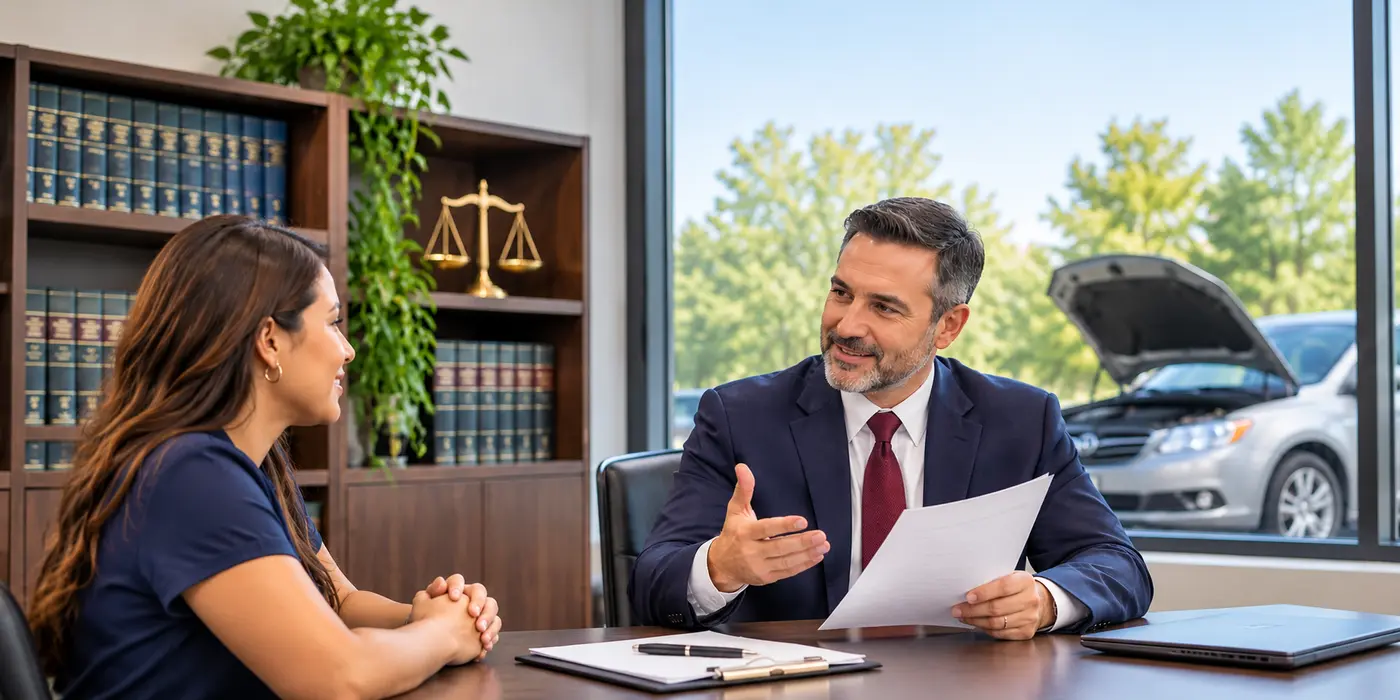
The warning light on the dash, a shudder from the brakes, or a car that loses power is often what sends you back to the dealer first. That return visit is a sensible response: a recall notice may identify a component, and the dealer has the repair equipment and campaign instructions.
Trouble begins when the recall repair is not completed, the replacement part is unavailable, or the same condition returns after the work order is closed. A dashboard message can be cleared while the underlying stalling, braking, steering, or electrical complaint continues, leaving your repair orders with a different story than the one you experience behind the wheel.
We examine car recall claims by connecting the recall notice to the vehicle's documented dealer visits and current condition. This is worth looking at now rather than setting the folder aside, because mileage, later repairs, and incomplete records can make it harder to trace the reported fault to the recall work.
Warning lights and repeat repairs
Common calls start with a warning light that remains on after a dealer says the recall work is complete. Other owners report a car that hesitates or shuts off, a brake pedal that feels wrong after a component replacement, or a screen and backup camera that still stop working after a software repair.
Some owners have made repeated trips only to hear that a part has not arrived or that no fault could be duplicated. These reports can sound similar from the driveway, but the recall notice, affected component, repair history, and dealer notes can lead to very different answers.
Case file review
At the first conversation, we usually sort out the vehicle, the reported symptom, the recall notice, the sequence of dealer visits, and whether the car was purchased or leased. The paperwork then lets us compare that account against dates and repair entries rather than relying on memory.
We read the purchase or lease agreement, repair orders, dates in and out of the shop, and correspondence with the dealer. We compare the VIN and recall notice with the work described on each repair order, including the mileage, complaint line, technician finding, and stated correction.
When records are missing, we identify the documents needed to complete the file. A recall letter or dealer email may establish one point, while the repair order and service dates show whether the reported condition continued after the dealer visit.
Repair attempts and shop days
The number of repair attempts matters most when the repair orders show the same recall-related symptom or component returning, rather than unrelated maintenance. We look at each visit's complaint line, technician finding, and correction to see whether the dealer work addressed the condition you reported.
Days out of service also matter when the vehicle was at the shop for inspection, replacement parts, repeat testing, or a return visit after a recall repair. The dates on the repair order can show whether the car was unavailable for a single appointment or remained with the dealer while work was pending.
We also check whether the fault was reported while the warranty was running, whether the vehicle was bought or leased, and who holds the complete service records. A file with dated repair orders, a recall notice, and matching mileage gives us a more useful basis for reviewing the matter than a verbal description alone.
Repair orders and VIN
Keep the repair orders and VIN together before you call about a recall problem. Repair orders are often in dealer email, a service portal, or the glove box, and each one should show the complaint, mileage, dates, and work performed.
Find the VIN at the base of the windshield or on the driver's door area, then compare it with the recall notice and dealer correspondence. The purchase or lease agreement usually identifies the vehicle and transaction date. Note the dates the vehicle entered and left the shop, along with the mileage at each visit, especially for recall work or parts availability. Call Experts Lemon Law Attorneys at (212) 520-6663; waiting can make matching the recalled component to the recorded mileage, dealer dates, and vehicle condition harder.
Next: warranty repair delays, or back to the home page.